What Is RedTouch Pro? Evidence for the 675 nm Wavelength
What research says about collagen, melanin and the still-limited evidence for redness.
Quick answer
RedTouch Pro: what to know first
RedTouch Pro is a non-ablative 675 nm laser designed to target collagen-rich tissue. It may suit selected texture, pore, fine-line or acne-scar concerns, but scar type, skin history and the need for combination treatment should be assessed before choosing it.
- Suitable for
- Selected acne-scar, texture, pore or skin-quality concerns after scar typing
- Discuss first
- Discuss pregnancy, infection, recent tanning, photosensitising medicines and abnormal scarring
- Discomfort
- Warmth or mild stinging; sensation varies with the area and settings
- Downtime
- Temporary redness, warmth, swelling or irritation can occur
- When change may be noticed
- Change is gradual; scar type and combination treatment affect the timeline
- Alternatives
- Subcision, Pico Majesty or another scar-specific plan may be more suitable

RedTouch Pro uses a 675 nm red-light wavelength with published evidence involving both dermal collagen and melanin. That helps explain why it has been studied for selected acne scars, fine lines, melasma and uneven-looking tone. It is not primarily a vascular laser; evidence for redness remains early and should not be overstated.
What is RedTouch Pro?
RedTouch Pro is a non-ablative red-light laser platform developed by DEKA (Italy). A scanner delivers 675 nm energy in controlled micro-zones while integrated contact cooling is intended to protect the epidermis. The surface usually remains intact, but redness, warmth, irritation, swelling or crusting can still occur, and comfort and recovery vary.
Why 675 nm matters: two primary targets
Collagen: 675 nm has high affinity for dermal collagen. Controlled microthermal zones are intended to initiate remodelling, but laboratory results are dose-dependent and do not mean every setting creates the same collagen response. Melanin: the wavelength also lies within melanin's absorption range. Clinical studies have therefore evaluated selected melasma and excess-pigment concerns, in addition to texture and rejuvenation.
What about haemoglobin? RedTouch Pro is not a primary vascular laser, and multiple publications describe little interaction with the vascular chromophore. A small melasma study in darker skin found an imaging-derived haemoglobin value decreased after treatment; the proposed pathway may be indirect through collagen around vessel walls. This is an emerging signal, not proof that 675 nm directly treats facial redness.
Think of it as renovation without demolition — the structure is rebuilt from within while the facade stays untouched.
What RedTouch Pro treats
- Selected atrophic acne scars and uneven texture — gradual collagen remodelling may soften some shallow scars
- Appearance of enlarged pores — assessed as part of overall texture rather than guaranteed pore closure
- Fine lines and photoaged skin — facial evidence is more direct than evidence for every body area
- Selected melasma and uneven-looking tone — after diagnosis and with ongoing photoprotection
- Selected pigmented lesions — sun spots and post-acne dark marks must first be distinguished from melasma and other causes
An honest note: deep ice-pick scars and strongly tethered scars still need a combined plan — usually Subcision to release the fibrous bands first, with RedTouch Pro rebuilding quality on top.
RedTouch Pro vs Pico vs Fractional
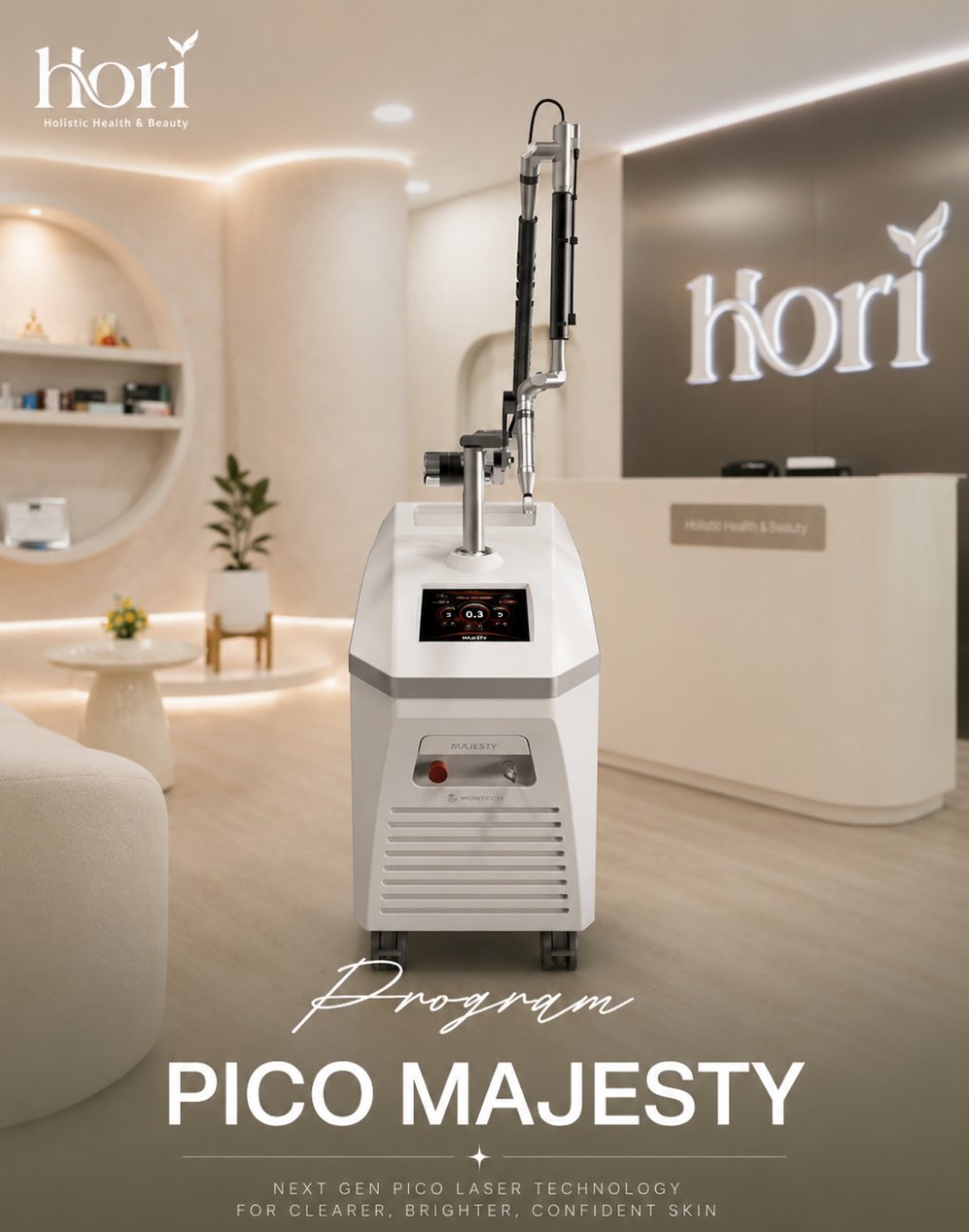
Pico Majesty and RedTouch Pro use different wavelengths and pulse characteristics, but the research does not support a simple “Pico equals pigment, RedTouch equals collagen” split. RedTouch Pro also has clinical data in melasma, while picosecond platforms can be used for selected pigment and texture concerns. A doctor should choose by diagnosis, pigment depth, scar structure, skin response and risk. Tethered scars may need Subcision regardless of the laser selected.
Sessions, downtime & what to expect
Session time, sensation and the need for anaesthesia depend on the treatment area and settings. Integrated cooling is intended to improve comfort. Redness, warmth, swelling, irritation or crusting can occur and recovery varies. The number and interval of sessions should be individualised; pigment and collagen endpoints are also assessed on different timelines.
Aftercare: simple, but non-negotiable
Moisturise well, skip strong actives (retinoids, exfoliating acids) for 2–3 days, and wear broad-spectrum SPF 50 daily. New collagen is an investment — sun protection and consistent skincare are what protect it. Your doctor may pair sessions with skin boosters to amplify hydration and glow.
The short version
- 675 nm has published evidence involving both dermal collagen and melanin; response depends on diagnosis, dose and treatment design.
- It is non-ablative and generally planned without downtime, but temporary redness, irritation or crusting can still occur.
- A treatment plan may include multiple sessions or be sequenced with Subcision or Pico when the examination supports it.
Frequently asked questions
Does RedTouch Pro hurt?+
Sensation varies by area and settings. Contact cooling is intended to improve comfort, but warmth, redness or irritation can still occur. Whether numbing is appropriate should follow the clinician's plan.
How many sessions do I need?+
The number and interval of sessions should be individualised to the concern, settings and response. Collagen remodelling is gradual, and the degree and timing of visible change vary.
Is it safe for sensitive or Asian skin?+
It may be considered for some people, but sensitive or inflamed skin and a history of post-inflammatory colour change require an individual examination and settings plan.
RedTouch Pro or Pico laser — which should I choose?+
They use different wavelengths and pulse characteristics, but both have evidence across more than one indication. A doctor should choose from the diagnosis, pigment depth, scar structure, response and risk rather than using a pigment-versus-collagen shortcut.
When can I wear makeup again?+
Resume make-up according to the skin reaction and your doctor's advice. Redness, irritation or crusting can occur in some people, so a fixed next-day promise is not appropriate.