What Is Pico Laser? How It Treats Melasma, Freckles & Dark Spots
How picosecond pulses shatter pigment with less heat — and why downtime is minimal.
Quick answer
What is Pico laser used for?
A picosecond laser delivers very short pulses and may be considered for selected freckles, sun spots, post-acne marks, tattoos or texture concerns after diagnosis. “Pico” describes pulse duration, not one universal treatment. The wavelength, handpiece and settings must match the target and skin type. Melasma is chronic and needs a cautious combined plan rather than a promise of permanent clearance.
- Suitable for
- Selected pigment, tattoo or texture concerns after the diagnosis and skin type are confirmed.
- What to expect
- Response and session count vary by diagnosis; melasma is managed and can recur.
- Risks
- Redness, swelling, crusting, burns or darker or lighter marks can occur.
- Downtime
- Often limited, but it varies by indication, wavelength, settings and individual response.
- When to see a doctor
- Seek diagnosis before treatment and review for blistering, worsening pain, infection or pigment change.
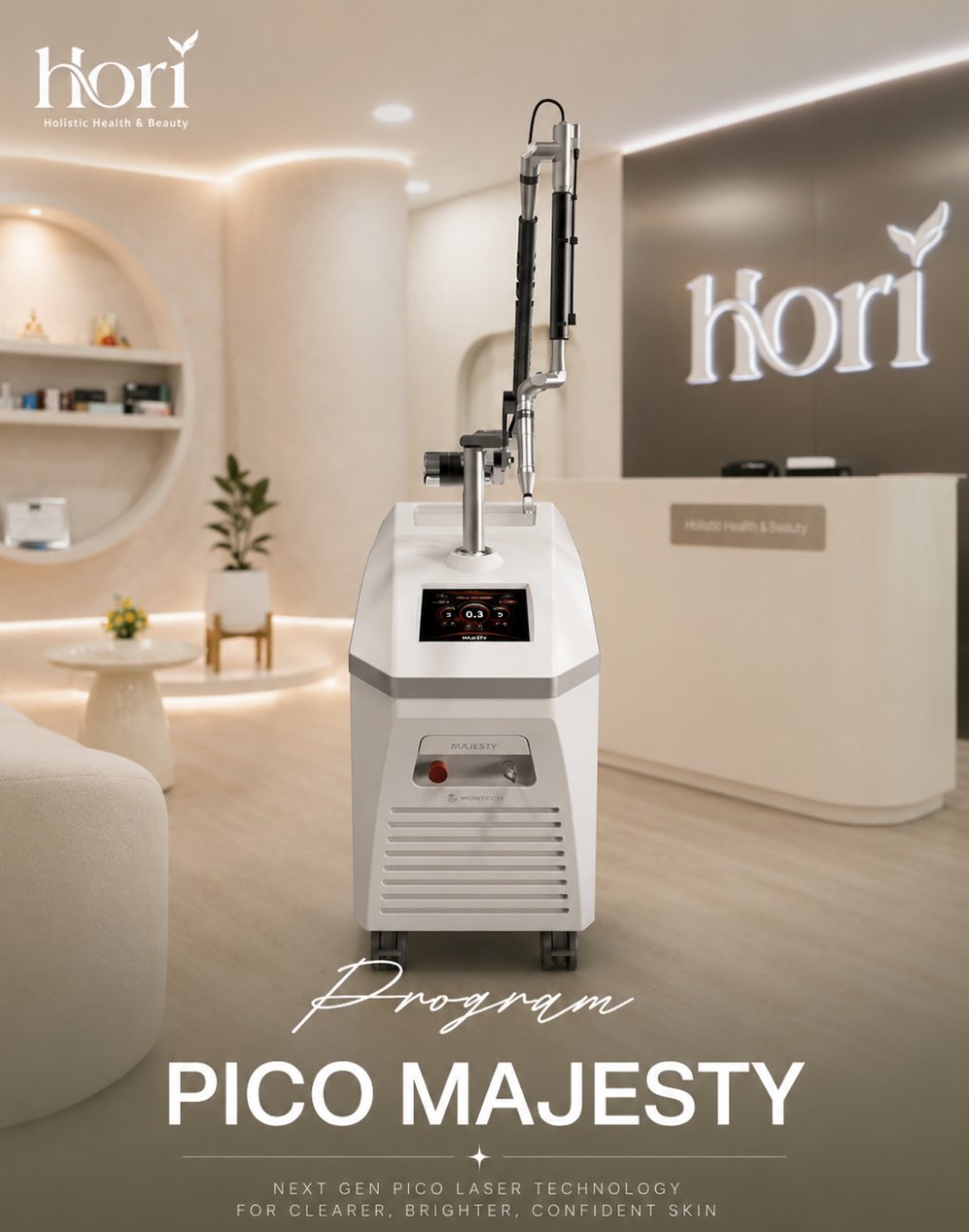
If you are concerned about melasma, freckles or persistent dark spots, Pico laser may be one option after a clinical diagnosis. This article explains how it works, its limits and the factors a doctor considers before treatment.
What is Pico laser?
"Pico" refers to picoseconds — trillionths of a second. A picosecond laser fires pulses so short that they break pigment apart through a rapid pressure wave rather than sustained heat. Because the energy is delivered in an ultra-brief burst, less heat spreads to the surrounding skin — which is exactly why pico tends to be gentler and lower-downtime than older nanosecond (Q-switched) lasers.
Photoacoustic, not just heat
Older lasers rely on a photothermal effect — heating pigment until it breaks. Pico adds a photoacoustic effect: the ultra-short pulse generates a tiny shockwave that fragments pigment into much finer particles your body can clear more easily. Finer fragments mean better clearance and, often, fewer sessions — with less risk of the heat-related darkening (post-inflammatory hyperpigmentation) that can trouble pigment-prone Asian skin.
Melasma is a marathon, not a sprint. The laser is one tool; consistent sun protection and the right settings matter just as much.
What Pico laser treats
- Melasma — softened with carefully chosen low-fluence settings
- Freckles & sun (age) spots — often clear in fewer sessions
- Dark spots & post-acne marks — more even tone
- Tattoo removal — including stubborn ink colours
- Dull skin, enlarged pores & texture — via gentle collagen remodelling
A quick honesty note: melasma is chronic and can recur, so the goal is meaningful, lasting control rather than a one-time cure. The right plan combines pico with topical care and disciplined sun protection.
Sessions, downtime & what to expect
A session is quick — often 15–30 minutes. You may feel a light snapping sensation and warmth. Freckles and sun spots can respond in a handful of sessions; melasma is treated more gradually in a planned series. Downtime is usually minimal: mild redness for a few hours, and for darker spots a temporary "coffee-ground" darkening that flakes off within days. Your doctor sets the energy to your skin type to keep results safe and natural.
Aftercare & sun protection
Aftercare is where results are won or lost. Keep skin hydrated, avoid harsh actives for a few days, and — most importantly — apply a broad-spectrum SPF 50 every day and reapply. UV is the single biggest driver of pigment relapse, so daily sun protection is non-negotiable, especially for melasma.
The short version
- Pico shatters pigment with a fast pressure wave, not just heat — gentler, less downtime.
- Great for freckles, sun spots, dark spots and tattoos; melasma is managed gradually.
- Daily SPF 50 is essential to keep pigment from returning.
Frequently asked questions
Does Pico laser hurt?+
Most people feel only a light snapping and warmth. Sessions are short, and numbing cream can be applied for sensitive areas.
How many sessions for melasma?+
There is no universal session count or single safest protocol for melasma. The plan depends on diagnosis, skin type, settings, response and concurrent care; a doctor should assess these before scheduling treatment.
Pico laser vs IPL — what's the difference?+
IPL uses broad-spectrum light, while pico devices use specific laser wavelengths and very short pulses. Which is appropriate depends on the diagnosis, wavelength, settings, skin type and risk of pigment change. Also see RedTouch Pro vs Pico Majesty.
Can I wear makeup afterwards?+
For full-face rejuvenation, light makeup is usually fine the same or next day. If specific dark spots were targeted, let any tiny scabs flake off naturally first. Your doctor will advise.
Will the spots come back?+
Sun spots and freckles often stay clear with good sun protection. Melasma is chronic and can recur, so ongoing SPF and occasional maintenance keep it controlled.