What the evidence says
Subcision is mainly considered for selected tethered atrophic acne scars. Scar subtype, depth and attachment should be examined because rolling, boxcar and ice-pick scars do not respond in the same way.
Releasing technique for rolling acne scars
A minor in-office procedure that releases the fibrous bands tethering depressed acne scars, allowing the skin to lift and smooth — often combined with biostimulators.
Quick answer
Subcision releases fibrous bands beneath selected tethered or rolling acne scars. It is not suitable for every scar type: ice-pick, sharply edged boxcar and active acne may require different or staged treatment, so scar typing comes before choosing the procedure.
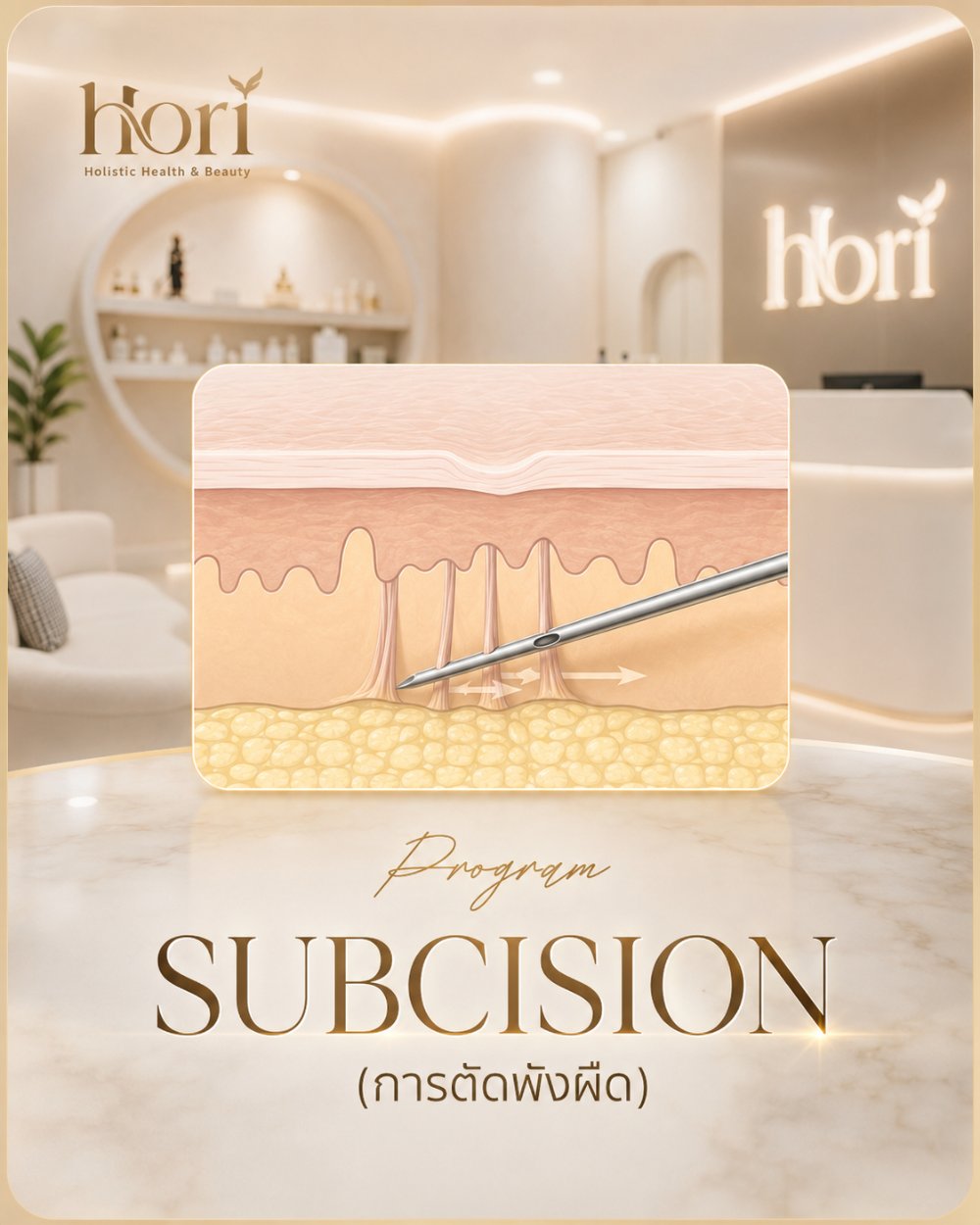
Many depressed acne scars are held down by fibrous bands of scar tissue that tether the skin surface to the deeper layers. Subcision uses a fine needle or a blunt cannula, passed just under the scar, to mechanically cut these tethers so the skin can rise back toward the surface.
Releasing the tether is only half the work — the controlled micro-injury then triggers new collagen to form in the space, helping fill the depression over the following weeks. Subcision is often combined with laser, microneedling or a biostimulator for rolling and tethered scars; ice-pick scars usually need a different technique.
A fine needle or cannula severs the fibrotic tethers under the scar.
Releasing the tether lets the depressed skin rise back toward the surface.
Controlled healing stimulates new collagen to fill the released space.
After numbing, the doctor inserts a fine needle or cannula beneath each scar and gently moves it to cut the fibrous bands tethering the skin. A session takes about 20–40 minutes depending on the number of scars.
Bruising and swelling for several days is expected and part of the process. Your doctor may combine subcision with filler or biostimulator to support the released area. Sun protection aids healing.
Improvement builds as new collagen fills the released space over weeks to months. Deep or multiple scars usually need a few sessions, often combined with laser, for the best result.
Everyone responds differently. Before treatment, your doctor will examine the area and talk through a plan that makes sense for you.
Local anaesthetic keeps it comfortable. Some pressure is felt; bruising afterward is normal and temporary.
It depends on scar depth and number; a series combined with laser or boosters usually gives the best outcome. Your doctor will plan it.
Released tethers don’t simply reattach, but new collagen support matters — which is why combination treatment and aftercare are advised.
Your treatment is performed by a doctor
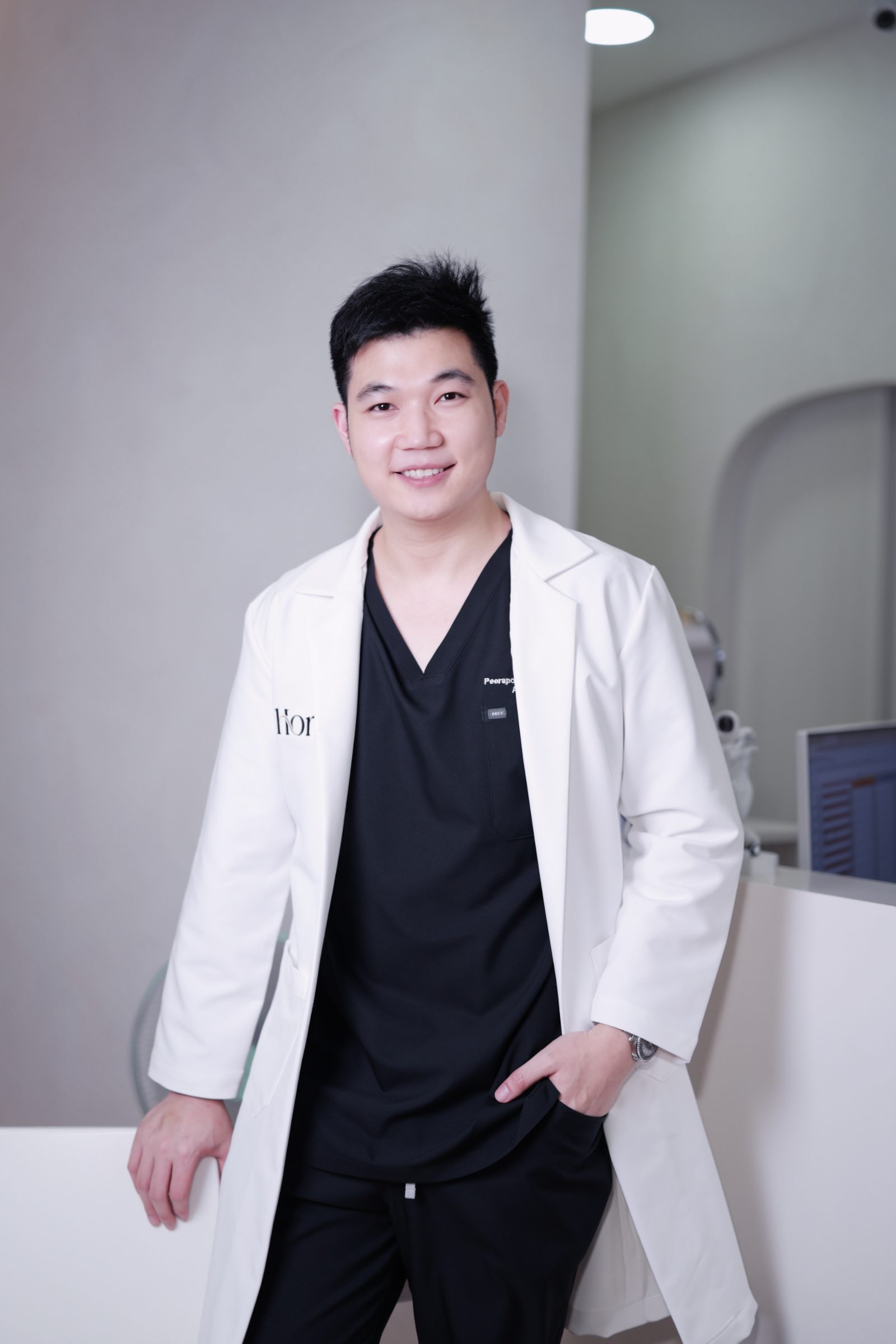
Dr. Peerapol Riawraengsattha (Dr. Lhong)
Anesthesiology · Aesthetic Medicine · Thai medical licence 58253
Tell us what you are concerned about. Our team can help you prepare for a conversation with the doctor.
Before you decide
We last reviewed these sources on 23 July 2026. They can help you prepare for a consultation, but they cannot replace an examination or a consent discussion with your doctor.
Subcision is mainly considered for selected tethered atrophic acne scars. Scar subtype, depth and attachment should be examined because rolling, boxcar and ice-pick scars do not respond in the same way.
Pain, bruising, infection, lumps and pigment change are reported complications. Instrument, anatomical plane and any combined treatment affect both benefit and risk.
Regulatory references describe their own jurisdictions and are used for safety context; they do not by themselves establish Thai registration or an indication for a specific product.
The final choice depends on an examination by a licensed doctor. Meet the doctors
Visit
246 Times Square Building, 4F, Room 411–412
Sukhumvit Rd, Khlong Toei, Bangkok 10110
Hours
Open every day 11:00–20:00
 Holistic Health & Beauty
© 2026 Hori Clinic · Bangkok