What Causes Melasma? A Practical Plan to Treat Pigmentation
The triggers behind melasma — and how laser, topicals and sun care work together.
Quick answer
What causes melasma, and can it be cured?
Melasma is a recurring pigment condition influenced by light exposure, hormones, inflammation and individual skin response. Treatment starts by confirming the diagnosis and separating melasma from freckles or post-inflammatory pigmentation. Consistent light protection is foundational; topical medicines or procedures may be added after assessment. The practical goal is control and fading, not a guaranteed permanent cure, because recurrence is common.
- Suitable for
- People with persistent facial pigmentation after the pattern and diagnosis are examined.
- What to expect
- Pigment may fade with consistent control, but maintenance is usually needed and recurrence can occur.
- Risks
- Irritation or overly aggressive treatment can worsen inflammation or cause pigment change.
- Downtime
- Daily light protection has none; recovery from procedures depends on the method and settings.
- When to see a doctor
- For diagnosis before procedures, or for a new, changing, one-sided, itchy or bleeding pigmented lesion.
Melasma is one of the most common — and most frustrating — pigment concerns we see, especially in Thailand's strong sun. The good news: with the right understanding and a layered plan, it can be controlled and kept faint. The key is treating the causes, not just the colour on the surface.
What is melasma?
Melasma is a chronic condition where patches of brown or grey-brown pigment appear, usually on the cheeks, forehead, upper lip and bridge of the nose. It tends to be symmetrical. Depending on how deep the pigment sits, it's described as epidermal (surface, responds faster), dermal (deeper, slower), or mixed — and the depth strongly affects how it's treated.
What causes melasma?
Melasma is multi-factorial — usually several triggers acting together:
- UV & visible light — the biggest driver; even screen and indoor light can contribute
- Hormones — pregnancy, the pill, hormonal shifts
- Heat — hot climates and heat itself can stimulate pigment
- Genetics — a family tendency is common
- Skin irritation — harsh scrubs or aggressive treatments can worsen it
Why melasma is so stubborn
Because the triggers are ongoing (sun, heat, hormones), the pigment-producing cells stay "switched on." Aggressive treatment can backfire: too much heat or irritation provokes more pigment, not less. That's why the modern approach favours gentle, consistent control over quick, harsh fixes — and why a doctor's settings matter so much.
A practical, layered treatment plan
1. Sun protection (the foundation)
Daily broad-spectrum SPF 50, reapplied, plus a hat and shade. Without this, nothing else holds.
2. Topicals & skincare
Doctor-guided brightening agents that calm pigment production, used steadily over time.
3. Gentle laser (Pico)
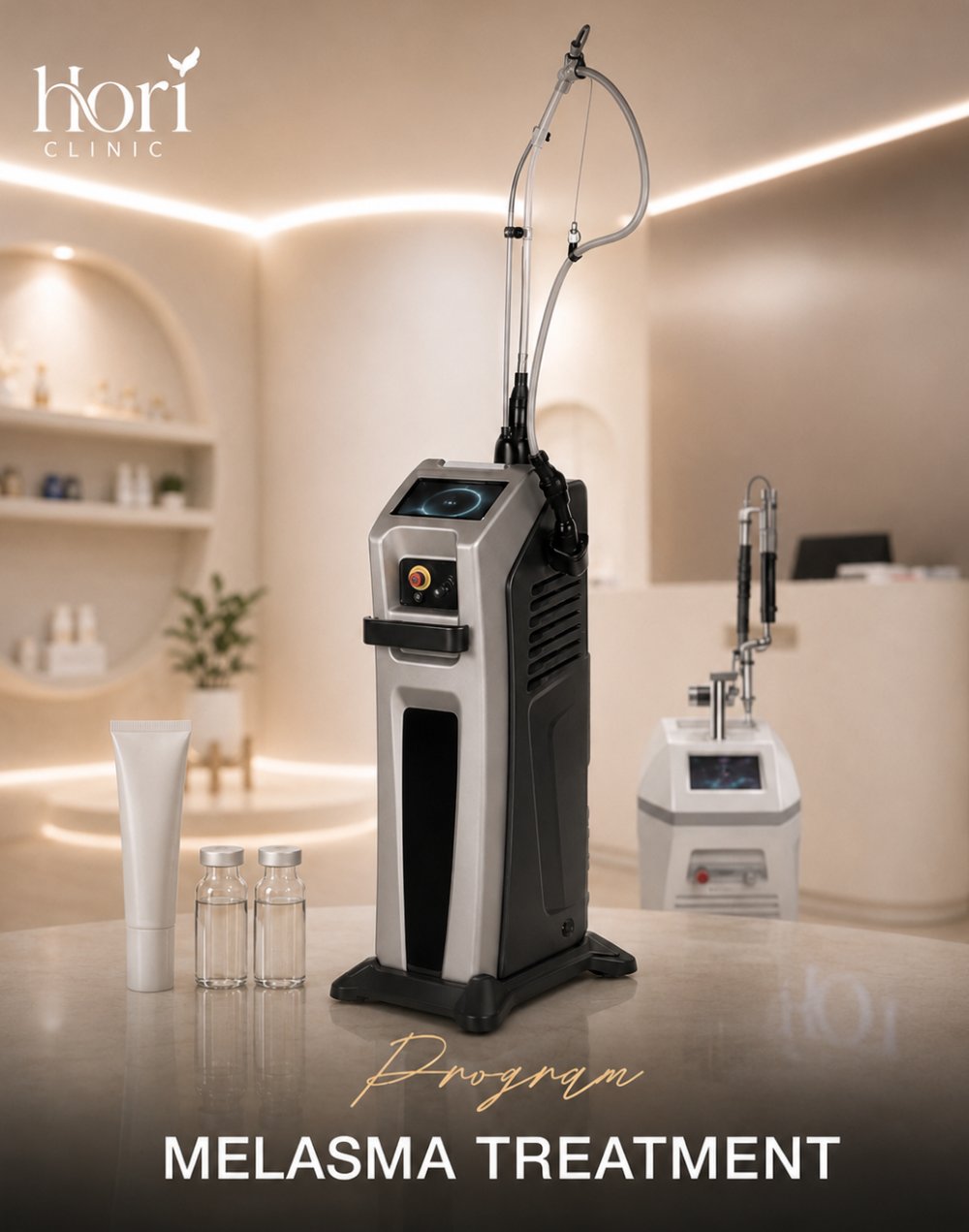
Carefully dosed Pico laser can lighten pigment in a planned series when matched to your skin — never as a one-off blast. Read our Pico laser guide for how it works.
4. Skin boosters & barrier support
Hydration and barrier-repair treatments help skin tolerate therapy and look more even and luminous.
Keeping it away
Maintenance is the quiet secret. Most people who keep melasma faint do three things consistently: protect from sun and heat daily, maintain doctor-guided topicals, and return for gentle top-ups as advised. Think management, not a single cure.
The short version
- Melasma is driven by UV, heat and hormones — treat the causes, not just the colour.
- Gentle, layered care beats harsh, aggressive treatment.
- It's controllable, not usually "cured" — daily SPF and maintenance keep it faint.
Frequently asked questions
Can melasma be cured permanently?+
Melasma is chronic and can recur, so the realistic goal is long-term control — keeping it faint and stable with treatment plus daily sun protection and maintenance.
Is laser safe for melasma?+
Yes, when done correctly. Melasma needs low, carefully chosen settings in a planned series — aggressive laser can worsen it. This is why physician-led treatment matters.
How long until I see results?+
Epidermal (surface) melasma can lighten within a few weeks; deeper pigment takes longer and steady commitment. Consistency with sun care accelerates and protects results.
Does sunscreen really matter that much?+
Absolutely — it's the single most important factor. UV and even visible light reactivate melasma, so daily, reapplied SPF 50 is what protects every other part of your plan.
What's the first step at Hori?+
A consultation to assess your melasma type and triggers, then a personalised, layered plan — sun strategy, topicals, gentle laser and supportive care — paced for safe, lasting results.