
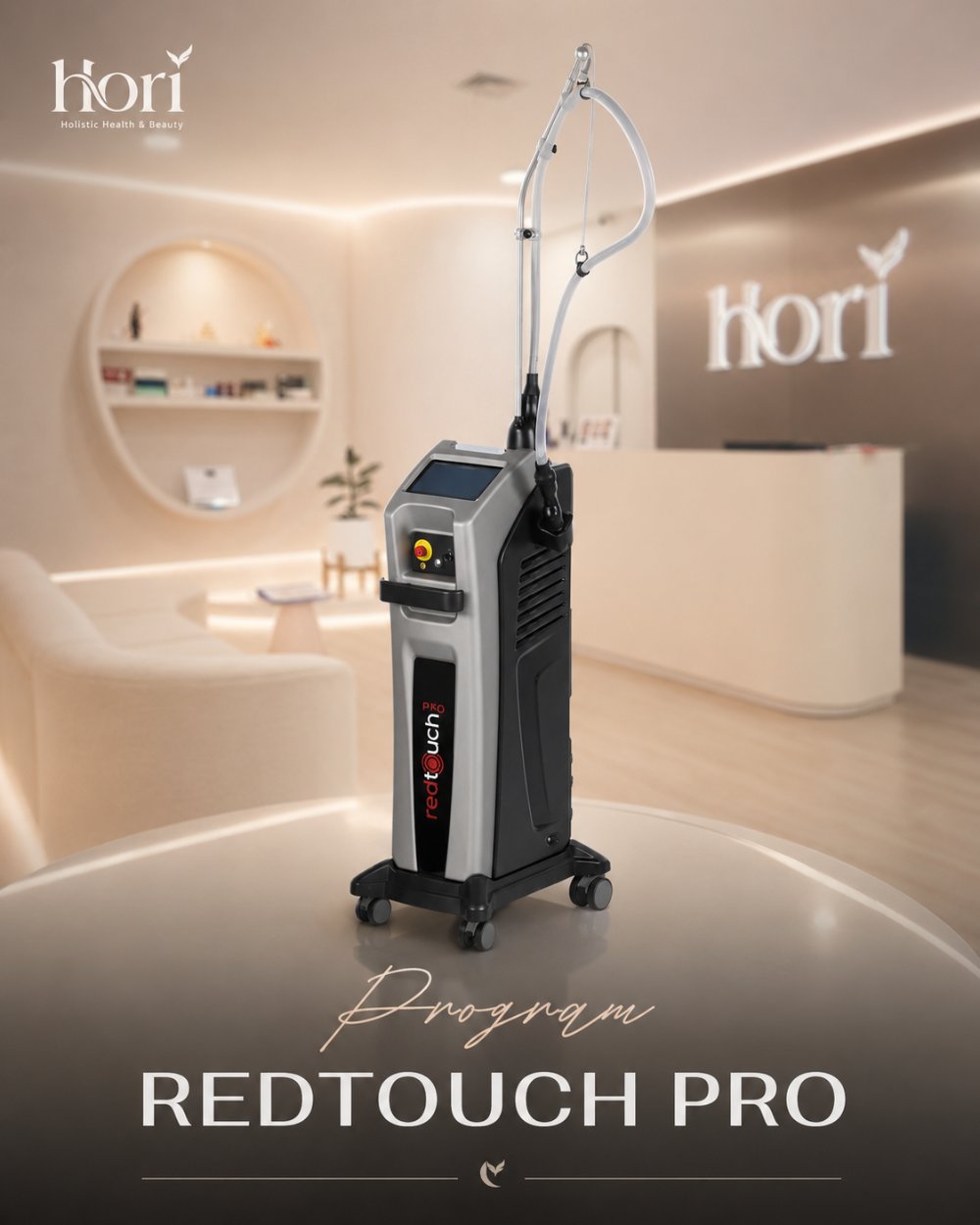
Who a physician may consider
- People with selected texture concerns or shallow acne scars seeking a non-ablative approach.
- People who understand that collagen remodelling is gradual and should be followed with standardised photographs.
- People who can follow sun-protection, skincare and review instructions.
Studies of 675 nm lasers include skin-rejuvenation and acne-scar findings from limited samples. They can inform a discussion but cannot predict one person's outcome.
Define the acne-scar structure first
Acne scars include rolling, boxcar and ice-pick patterns, and some are tethered below the surface. If tethering or deeper scars are present, a laser alone may not be the most appropriate starting point. A physician may assess subcision or a structure-based combination plan.
What to tell the physician
- Pregnancy, medical conditions, open wounds, infection or active acne in the treatment area.
- Medicines or products that increase light sensitivity, including current acne and exfoliating products.
- A history of unusual scarring, herpes, or dark or light marks after inflammation.
- Recent tanning, sunburn, laser treatment or another procedure.
- Your expected outcome and the period in which you hope to see change.
When treatment may need to be postponed
Sunburn, open wounds, infection or uncontrolled inflammation require assessment before proceeding. Treatment date and energy should not follow one formula for everyone. Do not stop prescribed medicines because of an online article; follow the prescribing clinician's advice.
A fair way to assess change
Use photographs with comparable lighting, angle, distance and skin condition. Record symptoms and adverse effects, and review at the interval set by the physician. Changing methods too often makes it difficult to identify benefit or irritation.
Sources
- Prospective evaluation of fractional 675-nm nonablative laser for atrophic acne scars in Fitzpatrick III–IV.
- New insight into nonablative 675-nm laser technology: current applications and future perspectives.
- American Academy of Dermatology: points to discuss before laser scar treatment.
This is a consultation framework, not a diagnosis or confirmation that treatment is suitable.