OligioX Explained: Monopolar RF Tightening Without Surgery
How radiofrequency firms skin from within, what a session feels like, and when results peak.
Quick answer
OligioX: what to know first
OligioX uses monopolar radiofrequency to heat selected dermal and subdermal tissue and may suit mild-to-moderate laxity or reduced firmness. It is not interchangeable with focused ultrasound; anatomy, comfort, settings and the main concern should guide the choice.
- Suitable for
- Mild-to-moderate laxity or reduced skin firmness after medical assessment
- Discuss first
- Discuss pregnancy, infection, pacemakers, implanted electronics, metal and previous procedures
- Discomfort
- Controlled warmth or brief hot spots; comfort depends on area, settings and individual sensitivity
- Downtime
- Temporary redness, warmth, swelling or tenderness may occur
- When change may be noticed
- Firmness changes are gradual and vary with tissue and treatment settings
- Alternatives
- Focused ultrasound, another tightening plan or surgical assessment may better match another goal
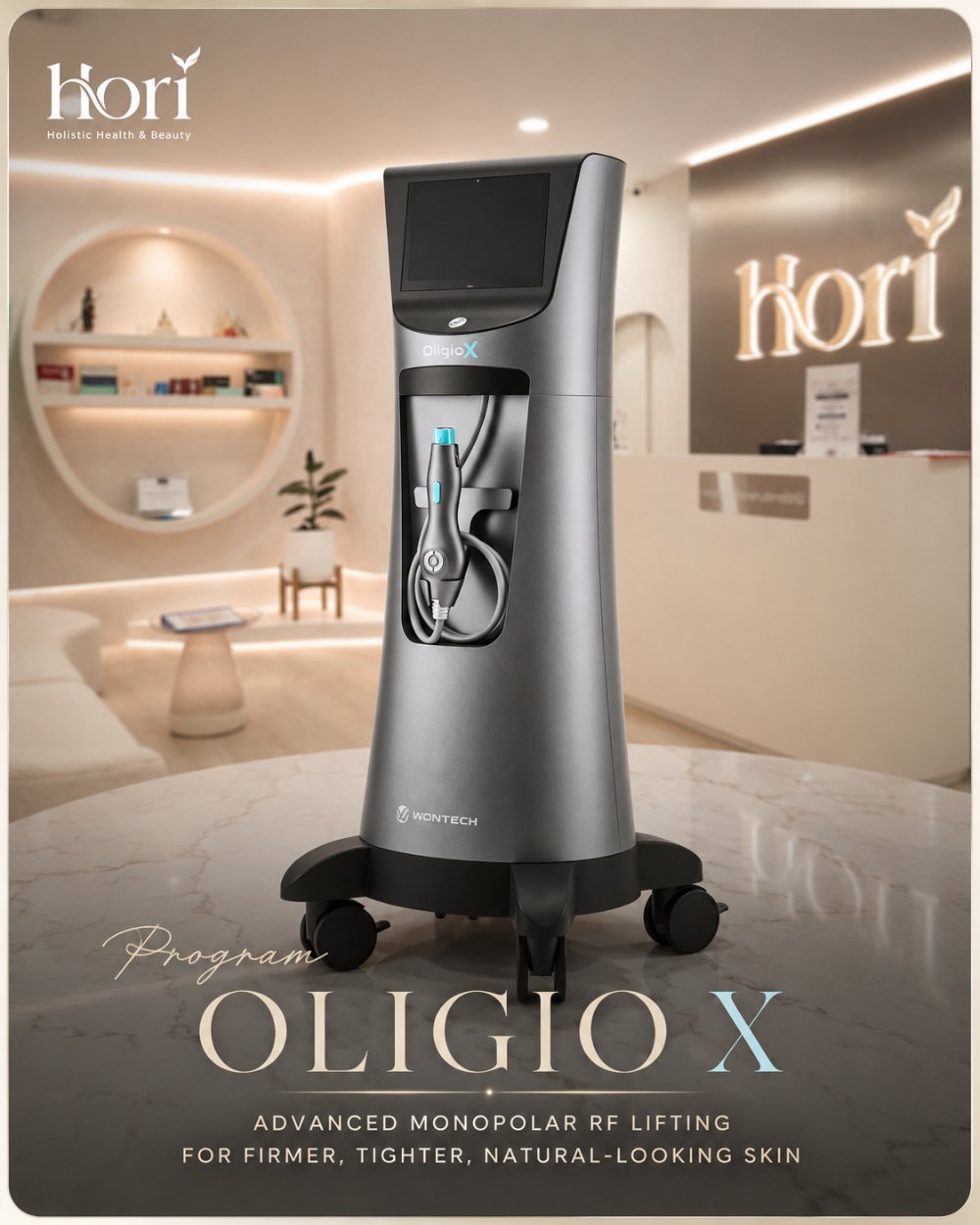
OligioX is a WONTECH monopolar radiofrequency (RF) platform used for non-surgical skin tightening. This guide explains the device, how to assess a proposed plan and what research can and cannot tell you. Suitability depends on a physician's assessment, not age or a package label alone.
Oligio and OligioX: check the exact model
The names are related but do not identify an identical treatment plan. Ask which model, tip and areas are included in the quotation. A study or review of the earlier Oligio model should not be presented as direct proof of OligioX outcomes.
How OligioX works
Monopolar RF creates heat in tissue through radiofrequency energy. Its use in tightening aims to support collagen remodelling; the temperature at the surface does not describe the temperature throughout the tissue. Cooling and feedback are control features, not proof that burns, discomfort or other adverse effects cannot occur.
What do GXG, G Mode and X Mode mean?
WONTECH describes OligioX as monopolar RF with GXG Dual Mode: a sequence combining G Mode and X Mode, with cooling and impedance feedback. These are device features, not a promise of twice the lift, painless treatment or a fixed result for every face.
OligioX (RF) and Ultraformer MPT (HIFU): what is different?
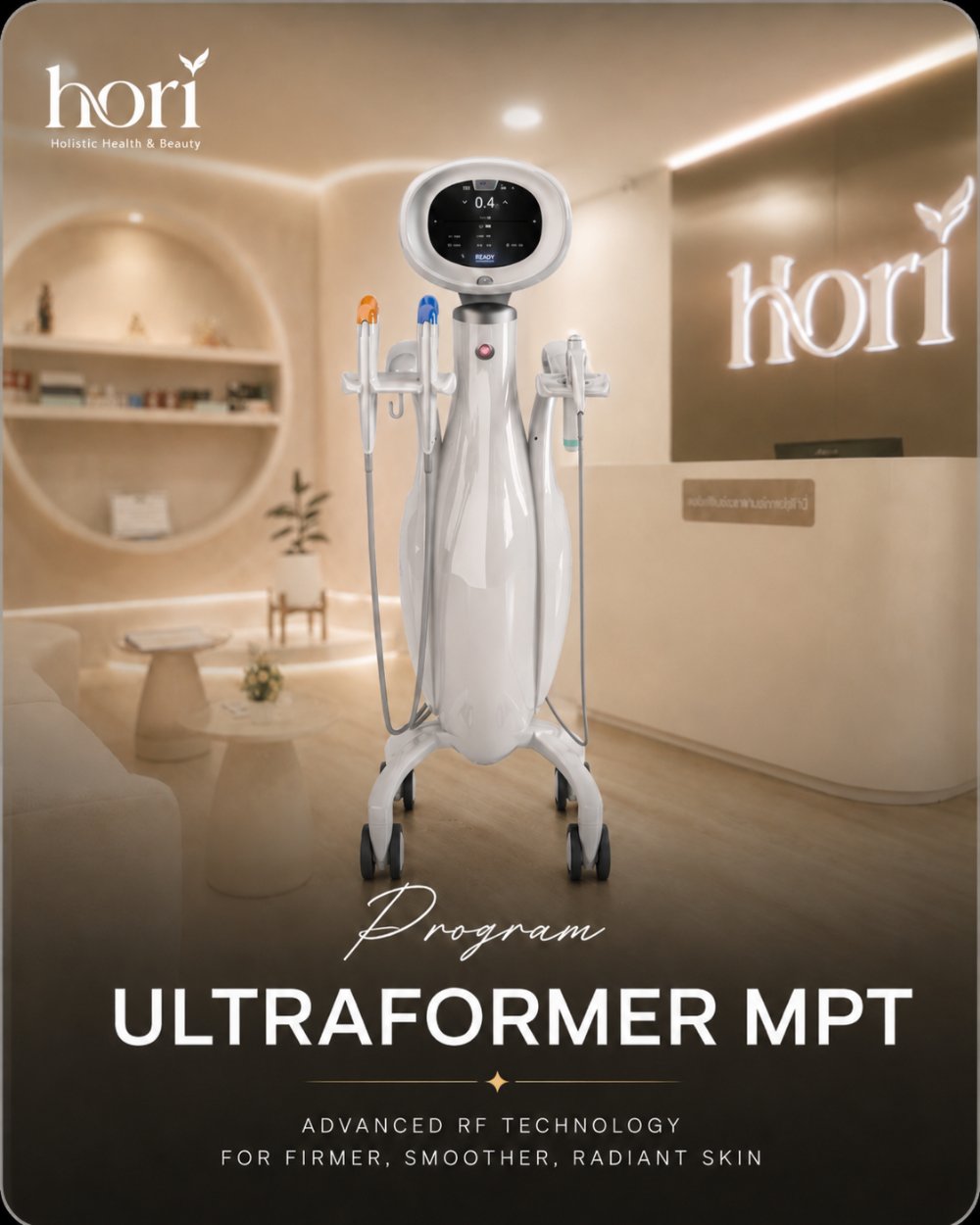
OligioX uses RF; Ultraformer MPT uses focused ultrasound. They deliver energy differently, so equal shot counts are not an equivalent dose or a promise of the same result. A physician should explain why one approach matches the concern, rather than selecting a device solely because it is newer.
On a narrow screen, scroll the table sideways to compare both devices.
| Compare | OligioX | Ultraformer MPT |
|---|---|---|
| Energy type | Monopolar radiofrequency (RF) | Focused ultrasound (HIFU) |
| What to ask about the plan | Tip, RF delivery mode, area and shot distribution | Cartridge depth, delivery mode, area and shot distribution |
| What neither number proves | A guaranteed result or an equivalent plan across devices | |
What a session feels like
Before treatment, confirm the areas, consent, comfort measures and aftercare with the physician. The tip is applied according to the agreed plan; the number and appointment length depend on that plan. Redness, swelling, tenderness or other reactions may affect normal activities. Ask what is expected, what requires a call and how to reach the clinic.
Heat, tingling or discomfort can occur and sensitivity varies. Discuss comfort measures before treatment and tell the clinician if the sensation is difficult to tolerate.
When results show and how long they last
Changes can be gradual and vary with the skin, plan and individual response. Compare photographs taken under similar conditions at the agreed follow-up rather than relying on an immediate impression. The need and timing for another treatment should follow that assessment; a fixed annual schedule or a guaranteed duration is not appropriate for everyone.
The short version
- OligioX = monopolar RF: volumetric dermal heat → contract + rebuild collagen.
- Non-surgical treatment can still need recovery time; ask about reactions and appointment duration for your own plan.
- Assess gradual changes at the agreed follow-up. There is no fixed peak or duration that applies to everyone.
How to read OligioX reviews and research
First check the device model and whether other treatments were used. Then check when the photos were taken, how lighting and angle were matched, and whether the result came from one person or a controlled study. A manufacturer specification describes equipment; it is not a clinical success rate for Hori Clinic.
A checklist before choosing an OligioX clinic
- Check the physician profile and licence, and confirm who will assess and perform your treatment.
- Ask to see the exact model and tip, and compare them with the manufacturer's information. Do not treat a logo alone as device verification.
- Confirm the treatment area, total quote, possible additional fees and how to contact the clinic after treatment.
- Discuss medicines, implanted devices, pregnancy and previous procedures before deciding whether to proceed.
Frequently asked questions
Does OligioX hurt?+
Heat, tingling or discomfort can occur and sensitivity varies. Discuss comfort measures before treatment and tell the clinician if the sensation is difficult to tolerate.
How many shots do I need?+
No. The area, tissue assessment, device settings and distribution matter alongside the count. A quote should explain the proposed plan and its limits, not promise a result from the number alone.
Is one session enough?+
The need for another session depends on the response and a follow-up assessment. Do not assume that everyone needs the same annual schedule or a combined-treatment package.
Who should avoid RF?+
People with pacemakers/implanted electronics, metal implants in the area, pregnancy, or active skin infection. The consult screens for these.
OligioX or Ultraformer MPT first?+
There is no automatic need to combine treatments. Ask what each device adds to your specific goal, what risks overlap and whether waiting to assess one treatment would be more useful. The order and interval need an individual plan, not a package rule copied from another clinic.