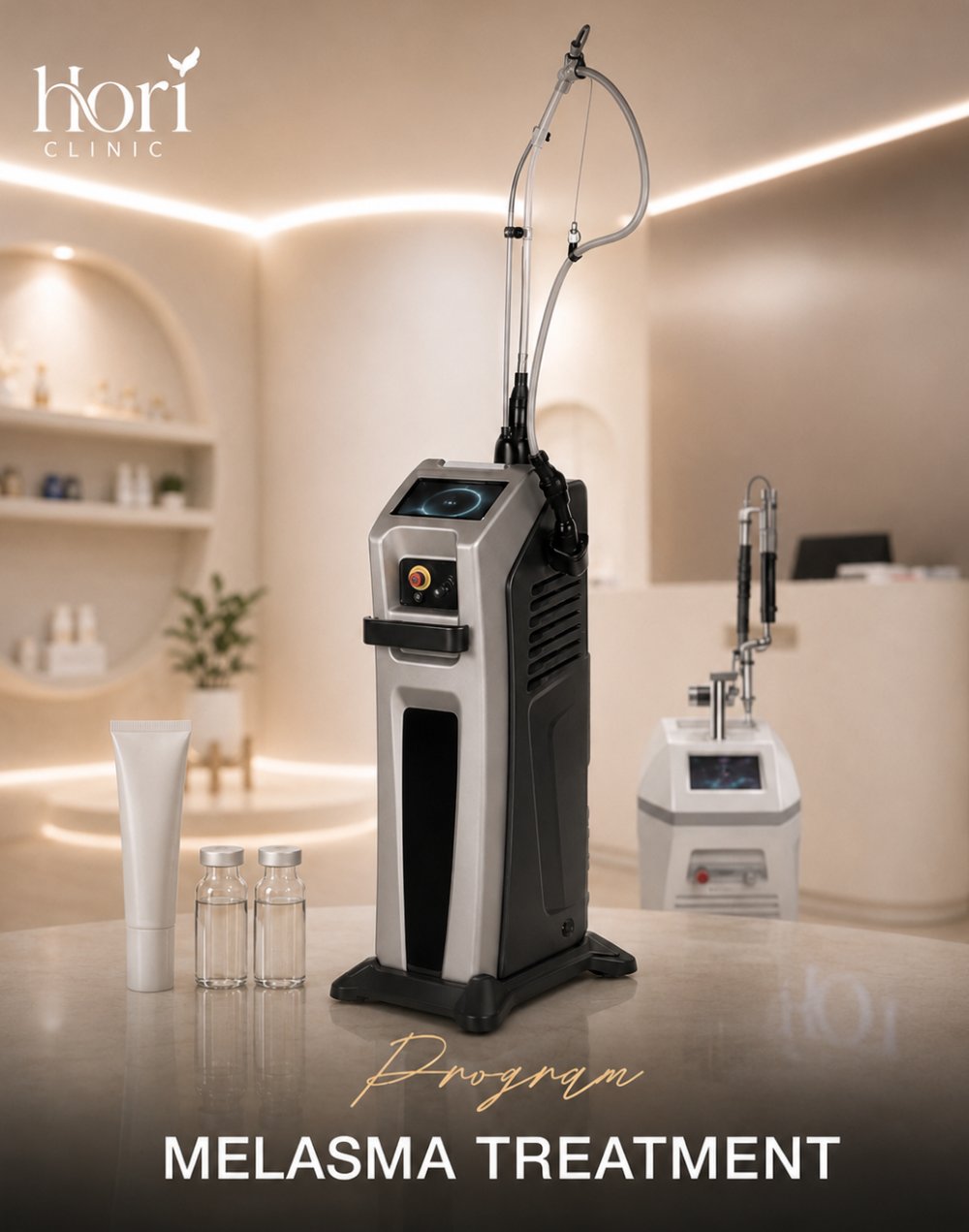
Melasma, Freckles or Dark Spots? Tell Them Apart Before You Treat
Three look-alike pigment problems with three different treatments — misreading them wastes money and can make skin worse.
Quick answer
Melasma, freckles or dark spots?
Melasma usually forms broader, often symmetrical patches and can relapse; freckles and sun spots are smaller defined lesions; post-inflammatory marks follow acne or irritation. They should not be treated as the same condition. Diagnosis comes first because sun protection, topical treatment and laser choices differ, and aggressive energy can worsen pigment in some skin. Persistent or changing lesions need medical assessment.
- Suitable for
- Anyone with facial pigment who needs the condition distinguished before choosing treatment.
- What to expect
- Freckles and marks may fade; melasma is controlled rather than guaranteed to clear permanently.
- Risks
- Irritation, rebound darkening or lighter marks can follow unsuitable products or excessive energy.
- Downtime
- Depends on the diagnosis and method; laser may cause redness, darkening or temporary crusting.
- When to see a doctor
- Get assessed when a lesion is new, changing, symptomatic, unclear or not responding as expected.
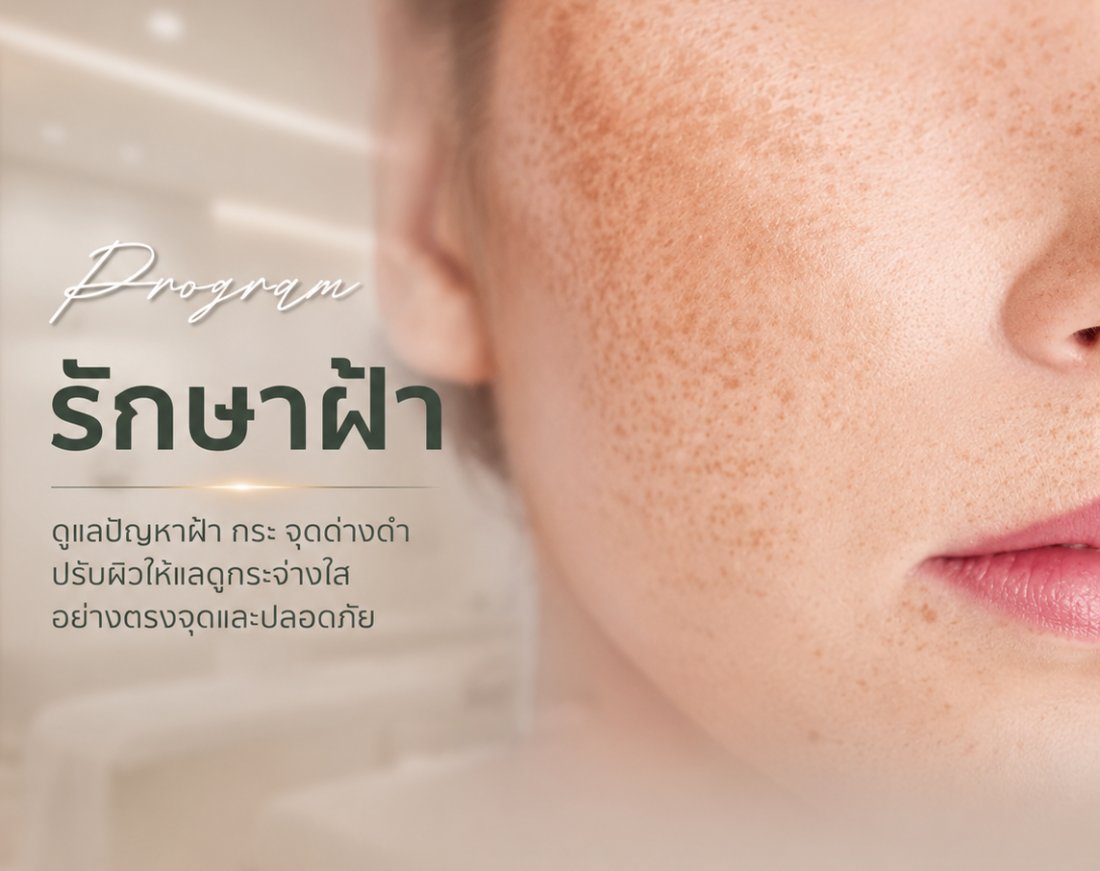
Brown marks on the face are not all the same disease. Melasma is hormonally-driven and heat-sensitive; freckles are small sun-induced spots that lasers clear well; post-inflammatory spots fade with time and the right topicals. The same laser that erases a freckle can flare melasma — which is why diagnosis comes before any machine.
Melasma — the chronic, hormone-linked one
Melasma appears as soft-edged brown-grey patches, usually symmetric on the cheeks, forehead or upper lip. Triggers include UV and visible light, heat, pregnancy and hormonal medication. It sits at variable depths, relapses easily, and responds best to a layered plan: strict sun protection, doctor-guided topicals and gentle low-energy laser — never aggressive blasting.
Freckles and sun spots — the laser-friendly ones
Freckles are small, well-defined dots that darken with sun; solar lentigines ("sun spots") are larger flat patches on sun-exposed areas. Both are surface pigment with clear borders — exactly what pigment lasers like Pico target well. Many clear significantly in 1–3 sessions, provided you protect the skin from re-darkening afterwards.
Post-inflammatory spots — the ones that fade
Dark marks left after acne, insect bites or irritation are pigment dropped during inflammation. Given time, sunscreen and brightening topicals, they fade over weeks to months; gentle laser or booster sessions can speed this up. The priority is stopping new inflammation — treating the acne itself.
Quick self-check (the doctor confirms)
- Soft-edged symmetric patches, worse with heat/sun/hormones → likely melasma
- Small sharp dots since youth, darker in summer → likely freckles
- Flat larger spots on cheekbones/hands after years of sun → sun spots
- Marks exactly where pimples used to be → post-inflammatory spots
- Mixed picture is common — Wood's lamp and dermoscopy at consult sort it out
Matching the treatment to the diagnosis
At Hori: melasma runs on the layered programme (sun strategy + topicals + gentle Pico); freckles and sun spots get targeted pigment laser; post-acne marks get topicals, boosters and acne control. Sunscreen — broad-spectrum, reapplied — is the non-negotiable base for all three.
The short version
- Same brown marks, three different diseases — diagnosis decides the tool.
- Freckles love lasers; melasma needs gentleness; post-acne marks need time + topicals.
- Sunscreen is the foundation of every pigment plan — no exceptions.
Frequently asked questions
Can laser cure melasma permanently?+
No treatment cures melasma permanently — it is managed, like a chronic condition. Gentle laser within a layered plan keeps it faint and stable; aggressive laser risks rebound darkening.
How many sessions to clear freckles?+
Many freckles lighten dramatically in 1–3 Pico sessions. Deeper or extensive spots may need more, and strict sun protection prevents new ones forming.
Why did my "freckle laser" make my melasma worse?+
High-energy pigment lasers create heat and inflammation — both melasma triggers. This is the classic result of treating melasma as if it were freckles, and why diagnosis-first matters.
Do whitening creams work?+
Doctor-prescribed topicals (e.g. regulated brightening agents) genuinely help melasma and post-acne marks. Over-the-counter creams vary widely — and anything promising instant results deserves suspicion.
Which sunscreen for pigment-prone skin?+
Broad-spectrum SPF50+ PA++++, ideally with iron oxides for visible-light protection (relevant to melasma), reapplied every 3–4 hours outdoors — plus hats and shade.